
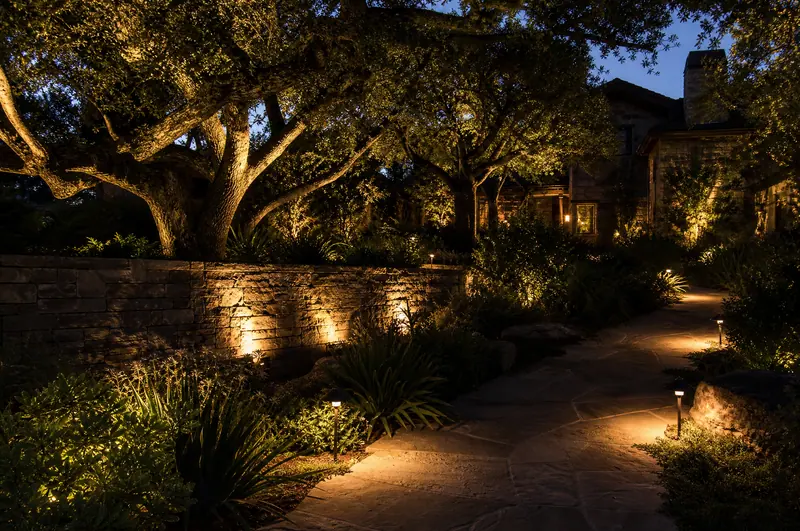
Irrigation and landscape lighting in Paso Robles are the systems you rarely see but use every day. We design and install water-wise irrigation and low-voltage lighting as part of a complete design-build landscape, so they are planned before the paving and planting go in.
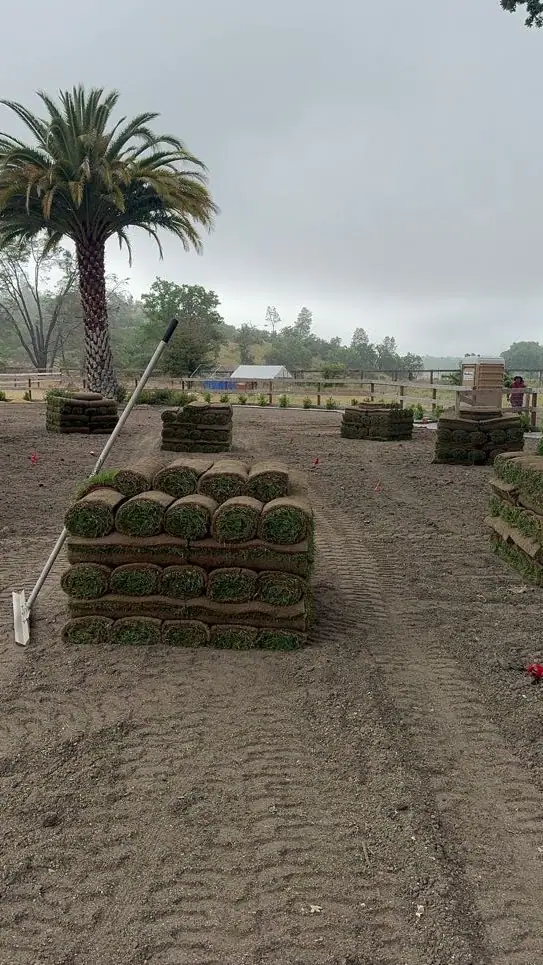
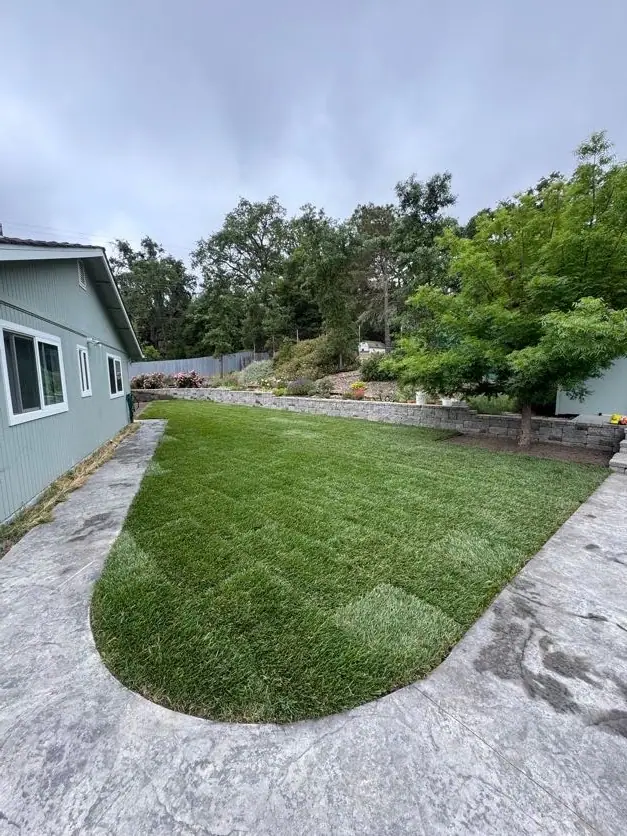
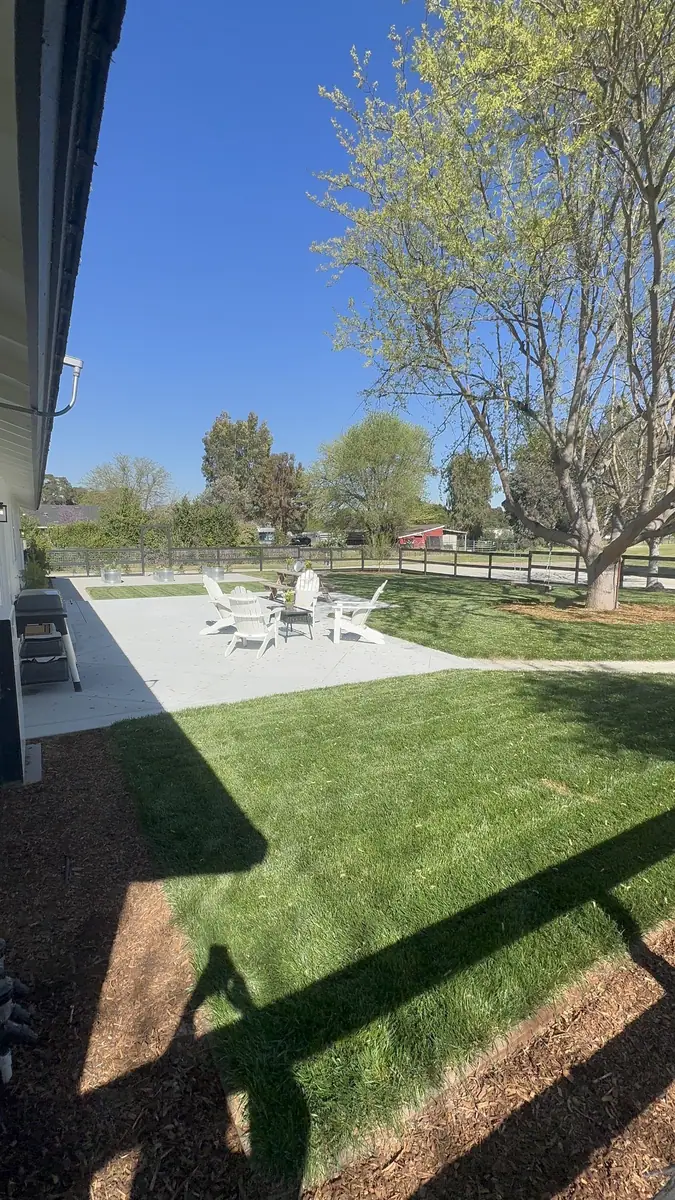
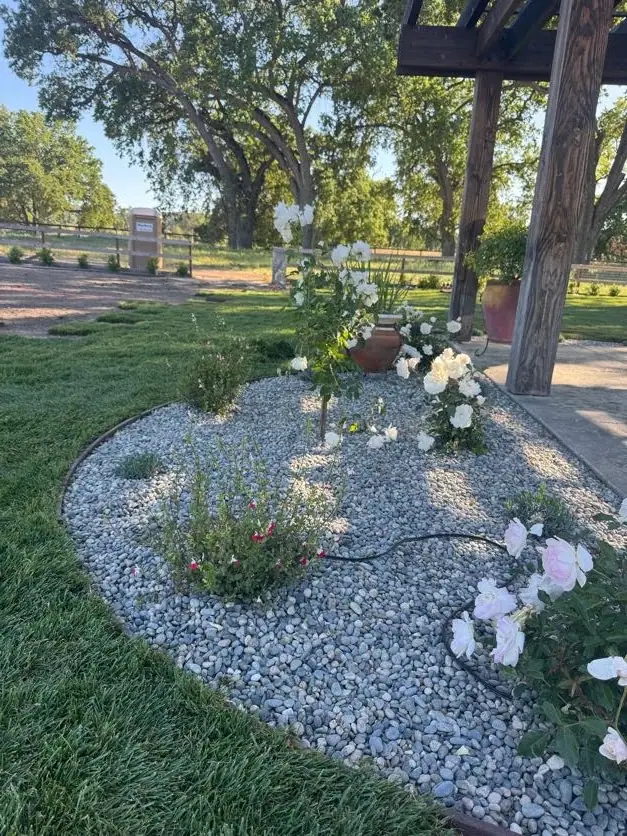
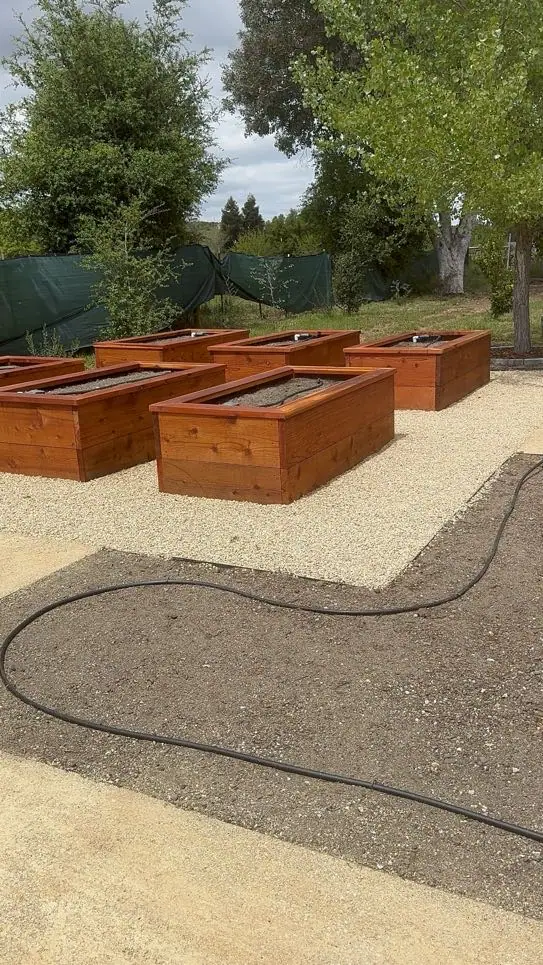

What is included in an irrigation project
A complete irrigation system includes a plan by zone, mainline and lateral piping, valves, filtration and pressure regulation, drip and spray components, a controller, and testing. Pipe routes and sleeves under future paving are planned early so nothing has to be trenched through finished work.
Connections that touch the home's plumbing, backflow testing requirements or a well and pump setup are coordinated with licensed specialists as needed.
We also document the finished system. You receive a clear explanation of how zones are organized, where valves are located and how to adjust the controller, so you or a future caretaker can manage water confidently.
Water-wise design for the Central Coast
Summers here are long and dry, so efficiency matters. We favor drip irrigation for shrubs, trees and perennials, because it puts water at the roots with less evaporation. Zones are grouped by sun exposure and plant water needs, and spray is reserved for turf or sod.
- Drip for beds, trees and groundcovers
- Separate zones for sun, shade, slopes and lawn
- Smart controllers that adjust to weather
- Pressure regulation and filtration to protect emitters
- Rain sensing and flow-aware design where appropriate
Clay soil absorbs water slowly, so we favor shorter, repeated cycles on slopes to reduce runoff.
Low-voltage landscape lighting
We install low-voltage LED lighting only: path lights, step lights, wall washes, uplights for trees and downlights from structures. The goal is gentle, layered light that makes the yard safe and inviting without glare or light spilling to neighbors or the night sky.
A transformer steps power down to low voltage and needs a power source. Any line-voltage electrical work is coordinated with licensed specialists, and we handle the low-voltage cable runs, fixtures, aiming and controls.
Controls can be simple or flexible: a timer or photocell for dusk-to-evening operation, or zones you adjust for dinners, holidays and seasonal changes. Fixtures are chosen for durability in sun, irrigation spray and winter damp, and are aimed again after plants have grown in.
Site prep and protecting oaks
Trenching can damage roots, so near oaks we use hand digging, shallower routing or alternate paths. Pipe and cable routes are marked before excavation, and elevations are checked so valves and fixtures sit correctly once final grades are set.
Hardscape and lawn areas get sleeves in advance. Fixtures are placed after planting is understood, so lights illuminate mature plant shapes rather than being buried by them.
Integration with the rest of the yard
Irrigation serves planting areas and artificial turf or sod where used. Lighting highlights patios, steps, walls and fencing, and the approach to the entry. Fire features and water features can be featured in the lighting plan, with gas and electrical connections coordinated with licensed specialists.
Care, durability and planning steps
Check emitters, filters and controller settings seasonally, and adjust runtime as weather changes. LED lighting uses little power, and lenses can be wiped clean periodically.
We begin with a site walk, review water source, pressure and plant needs, and prepare irrigation zones and a lighting concept. We then walk you through placement before installation.
Frequently asked questions
Is drip irrigation better than sprinklers?
For beds, trees and perennials, drip is typically more efficient because it delivers water to the roots with less evaporation and overspray. Spray or rotary heads still suit lawn and sod areas.
Do you install line-voltage lighting?
We install low-voltage landscape lighting. Line-voltage electrical work, including power to a transformer, is coordinated with licensed specialists.
Can irrigation be added to an existing yard?
Often yes, though trenching around existing paving, roots and plants takes extra care. We review what is there and recommend whether to extend, repair or redesign the system.
Will landscape lights be too bright?
Not if they are planned well. We use warm LED color, shielded fixtures and soft layering, aimed to avoid glare and light spill toward neighbors.