
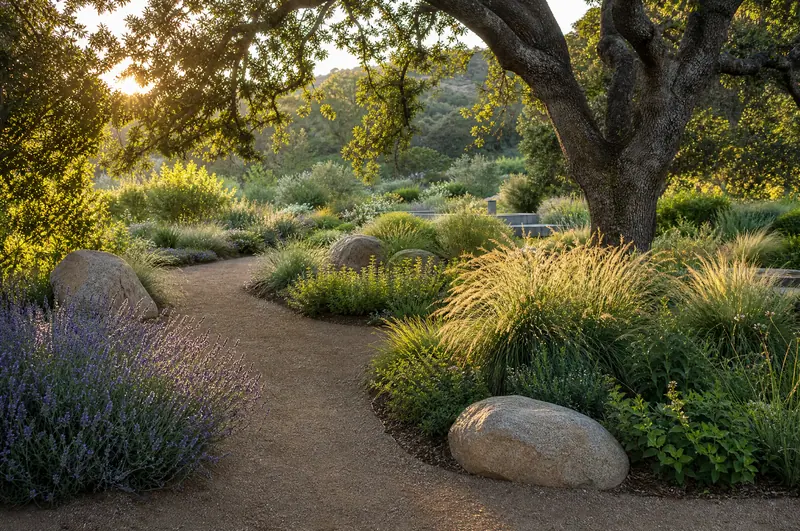
Planting and garden design in Paso Robles has to handle hot summers, little rain, clay soil, deer and fire season. We design and install planting as part of a complete design-build landscape, so the garden fits the patios, walls and irrigation around it.
What is included in a planting project
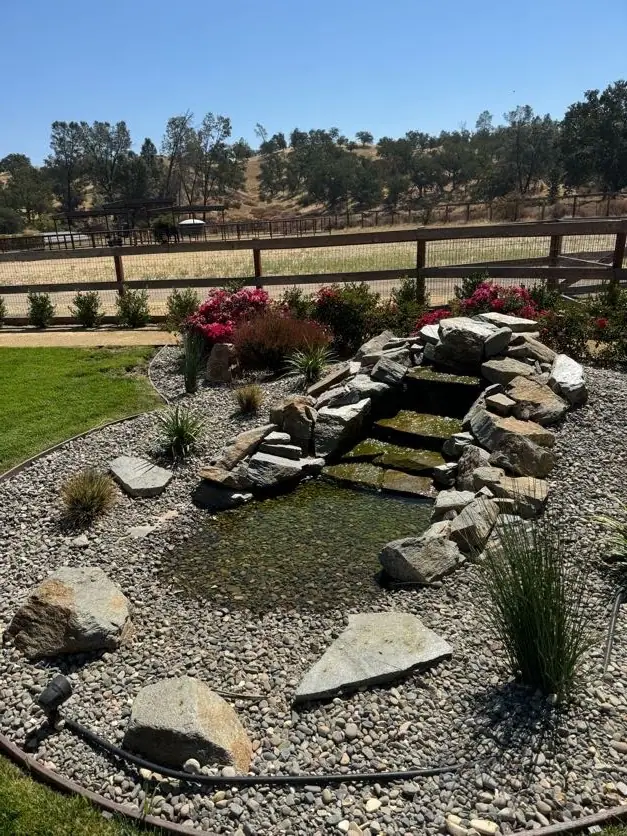
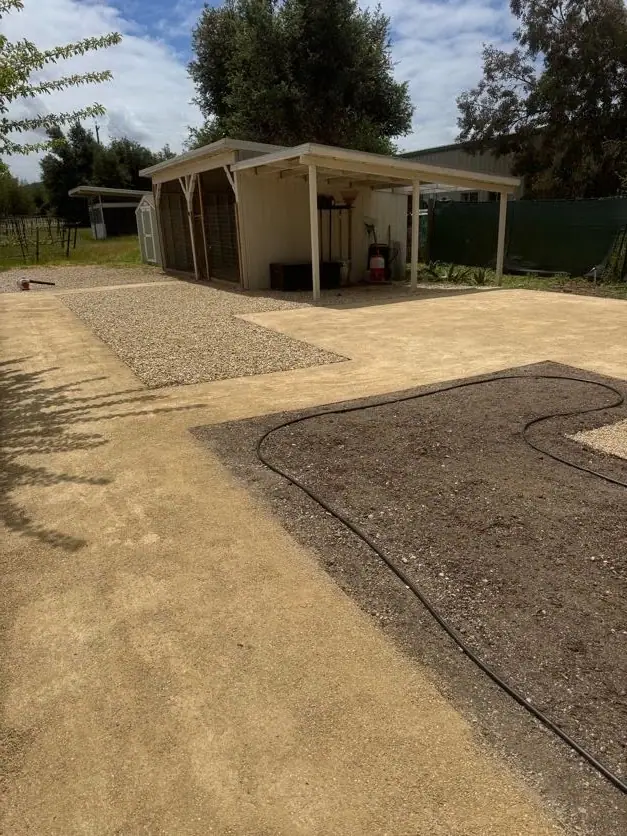
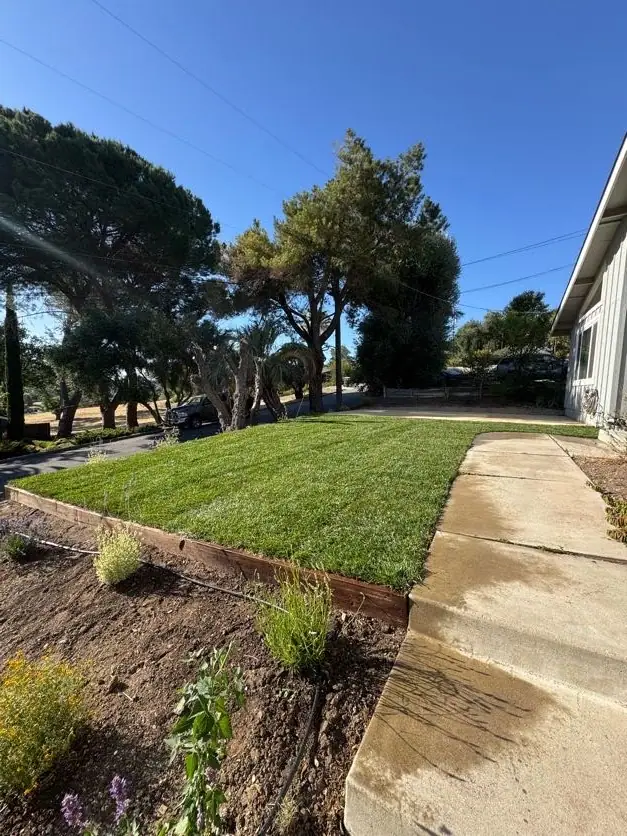
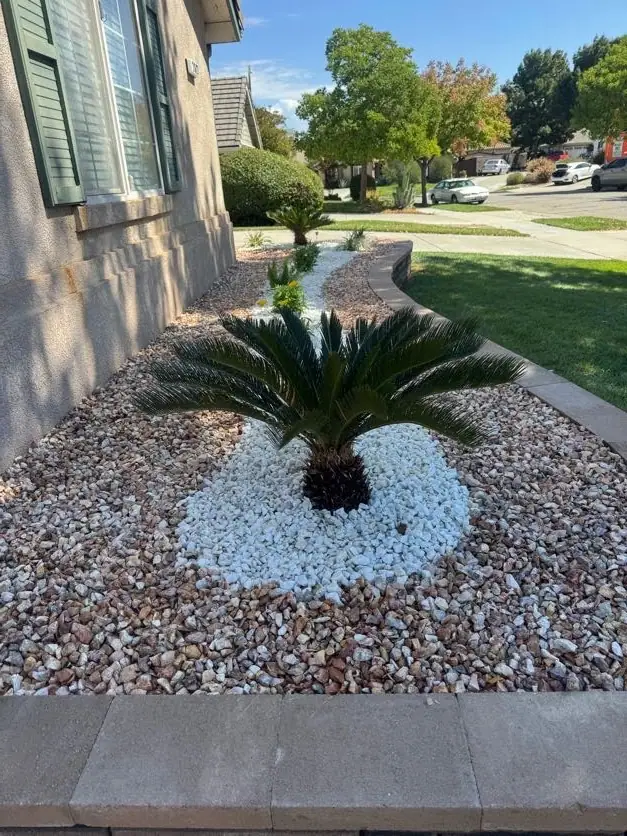
We prepare a planting plan, amend and grade planting areas, install shrubs, perennials, grasses, groundcovers and trees, place mulch, and connect everything to drip irrigation. Beds are shaped to flow with the hardscape, and plant selections consider mature size so the garden does not outgrow its space.
Lawn can be included where it earns its place, using sod over a prepared base. Where lawn is not needed, artificial turf is another option.
Deer are a real factor here. Many aromatic and silver-leaved plants are less appealing to browsing deer, and young plants can be protected while they establish. We discuss which beds can stay open and which may need fencing, so the garden stays healthy through its first seasons.
Plants for heat, drought and clay soil
The best plant palette for this area typically blends Mediterranean and California native species that tolerate summer dryness and winter wet. Plants are grouped by water need so each irrigation zone serves similar plants.
- Structure: evergreen shrubs and small trees that hold form through summer
- Seasonal color: salvias, yarrows, buckwheats and flowering perennials
- Texture: ornamental grasses and succulents
- Edible and cottage plantings in protected beds with more regular water
See our guide to drought-tolerant landscape design for deeper plant and water-saving ideas.
Fire-safe planting and defensible space
Much of the Central Coast sits in fire-prone terrain, and planting choices matter. Near structures we favor low, well-spaced, irrigated plants, avoid dense oily shrubs against the house, keep mulch and groundcover choices appropriate, and separate plant groupings with paths and hardscape. Spacing, pruning of tree limbs and clearance recommendations follow local fire agency guidance.
Tree removal or major limb work is coordinated with licensed tree specialists. Defensible-space requirements vary by property, so we recommend confirming current local guidance.
Working around oaks and clay
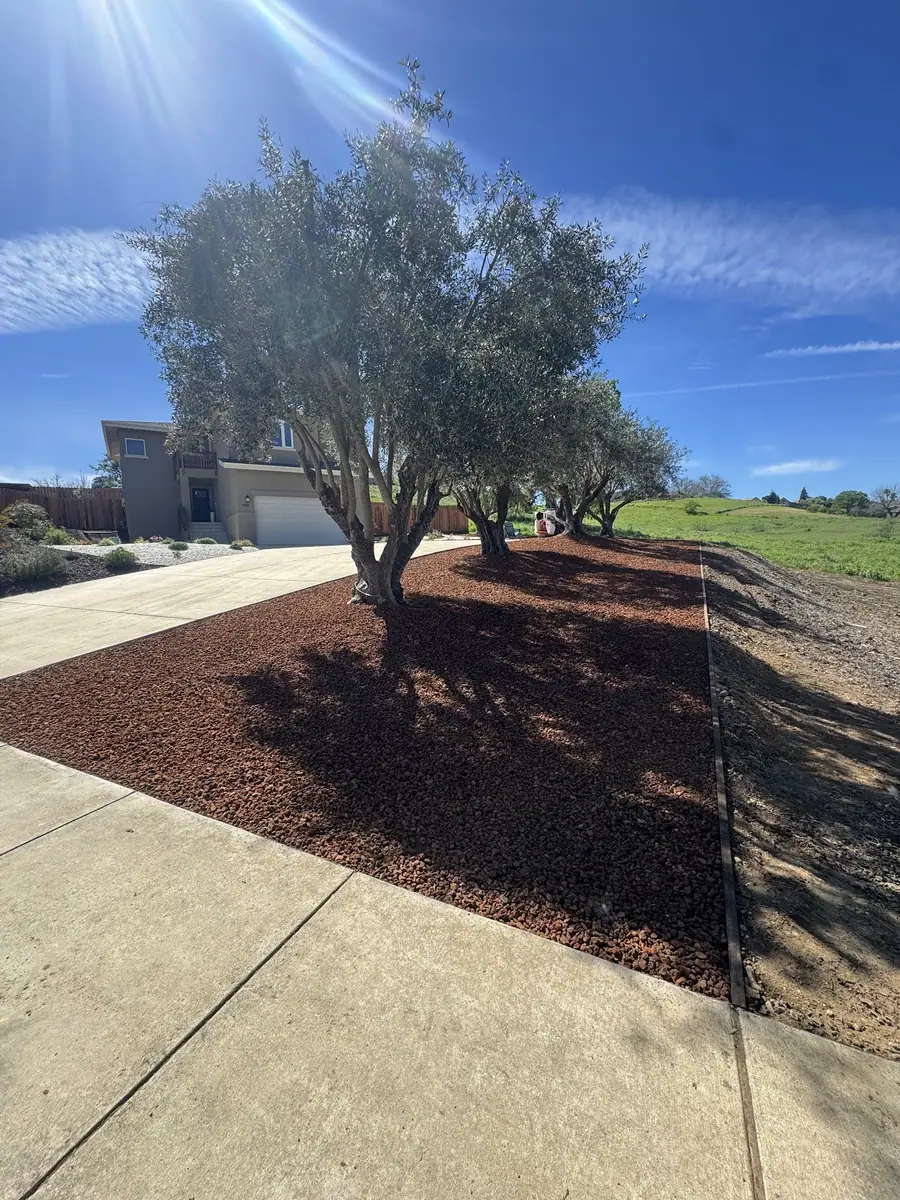
Native oaks are adapted to dry summers and can be harmed by frequent irrigation, soil changes or compaction near the trunk. Under and around oaks we limit digging, avoid raising grade, choose dry-tolerant understory plants, and keep summer water away from the trunk.
In clay soil we avoid heavy over-amending of individual planting holes, which can create a bowl that holds water. Instead we loosen broader planting areas, shape berms or gentle slopes for drainage, and finish with a layer of mulch to hold moisture and moderate soil temperature.
Integration with the whole yard
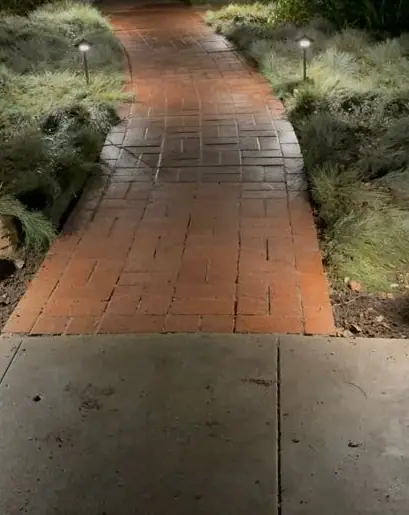
Planting softens the edges of patios, screens walls and fencing, and frames views. Every planting area is set up for water-wise drip irrigation and landscape lighting, with low-voltage fixtures placed to light plants without glare.
Care, establishment and planning steps
New plants need attentive watering during their first seasons, then are weaned toward lower water use. Pruning, mulch refresh and occasional adjustments keep the garden healthy.
We start with a site walk, review sun, soil and views, prepare a plant palette and layout, and refine it with you before installation. Plant lists and spacing are explained in plain language, so you know what to expect as the garden matures over the first few years.
Frequently asked questions
Can a drought-tolerant garden still look lush?
Yes. Layering evergreen structure, grasses, flowering perennials and groundcovers gives fullness without heavy water use. A thoughtful palette stays attractive through summer instead of depending on constant irrigation.
What does fire-safe planting mean?
It means choosing and spacing plants so fire has less continuous fuel near the home, keeping plants irrigated and maintained, and following local defensible-space guidance. It does not make a property fireproof, but it supports safer design.
Can you plant near oak trees?
Often yes, with care. We limit digging, avoid grade changes, use dry-tolerant plants and keep summer irrigation away from the trunk. Oak health is a priority in the layout.
Do you remove trees?
Tree removal is coordinated with licensed tree specialists. We plan around the result and handle the planting, grading and irrigation that follow.